Commercial kitchens burn through detergent fast, and a lot of it gets wasted. In France, a growing number of restaurants and institutional cafeterias are turning to automatic dishwasher dosing systems to stop the over-pouring and bring costs under control.
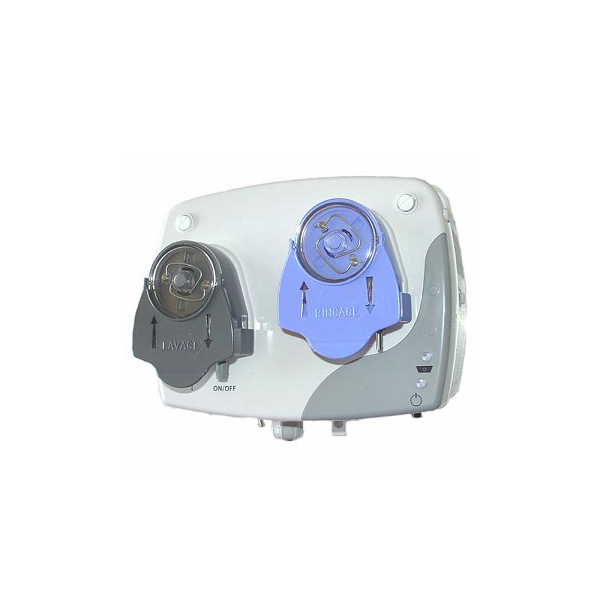
One of the products gaining traction is the Erdemil professional dishwasher dispenser, designed to deliver the same measured amount of detergent every cycle. The pitch is straightforward: less waste, steadier sanitation results, and a noticeable drop in chemical spending, often by 15% to 25%.
For operators already squeezed by food and labor costs, shaving a quarter off detergent use can add up quickly. (The original report did not provide pricing, so dollar savings depend on each kitchen’s detergent spend.)
Why commercial kitchens are moving away from “eyeballing it”
In busy kitchens, detergent dosing is often a rushed, repetitive task. Different employees pour different amounts, and the result is predictable: inconsistent cleaning and unnecessary chemical use.
An automatic dispenser standardizes the process. Every wash cycle gets the same pre-set dose, regardless of who’s working the dish station. That consistency can also make inventory tracking easier, fewer surprise reorders and clearer spending patterns.
How the Erdemil dosing system works
The Erdemil setup relies on a simple gravity-fed design. Detergent is stored in an elevated reservoir and flows through a calibrated dosing mechanism into the dishwasher, delivering a regular, predictable amount each cycle.
Day-to-day operation is basic: staff refill the reservoir with commercial detergent and let the system run. The dose is released automatically with each wash cycle, and adjustments are only needed if conditions change significantly.
Initial settings typically depend on factors kitchens already monitor, including water hardness, the type of dishware being washed, average soil level, and the dishwasher model in use.
The payoff: lower chemical use and steadier sanitation
The biggest headline benefit is cost control. By preventing accidental overdosing, kitchens using automatic dispensers report cutting detergent consumption by about 15% to 25% on average.
There’s also a hygiene argument. Consistent dosing helps ensure every rack of dishes gets the same cleaning treatment, reducing the risk of cross-contamination or poorly rinsed chemical residue.
The French article points to HACCP, a food-safety system widely used in Europe and also common in U.S. food operations. The idea is familiar to American health inspectors: documented, repeatable processes that reduce risk.
Installation and upkeep: designed to be low-drama
Installation is typically handled by a technician and can be completed in a few hours, according to the report. The system needs access to the dishwasher’s plumbing and space for the detergent reservoir, usually tying directly into the machine’s water circuit.
Maintenance is mostly routine: periodically cleaning the reservoir to prevent buildup and checking the distribution lines for clogs. Replacement parts, like seals, filters, and fittings, are generally available through professional hygiene suppliers.
Will it work with your dishwasher?
Compatibility is one reason these systems appeal to operators. The Erdemil dispenser is described as working with many types of commercial dishwashers, including hood-type machines, conveyor “tunnel” washers, and smaller countertop units.
That flexibility matters for kitchens running multiple machines, or planning equipment upgrades, because it can extend the life of the investment. Buyers are still advised to confirm compatibility with their specific dishwasher model before purchasing.
What to look for before you buy an auto-doser
Choosing the right dispenser comes down to a few practical questions: How many loads do you run per day? How hard is your water? And how easy is the reservoir to access for refilling and cleaning?
The French report also recommends asking for demonstrations and references from other kitchens already using the equipment, an easy way to learn what breaks, what clogs, and what actually saves time during a slammed service.