A cluster of towns on France’s Brittany coast is betting that a relatively small pot of public money can reshape what ends up on dinner plates, and who can afford it.
Lorient Agglomération, a regional government group centered on the port city of Lorient in western France, has opened a new call for projects worth €70,000, about $76,000, to back on-the-ground efforts tied to local, sustainable food. The focus: better access to locally produced goods, more food education, and targeted help for residents facing food insecurity.
A $76,000 push to strengthen local food systems
The funding is part of Lorient’s “Territorial Food Project,” a French policy framework that works a bit like a countywide food strategy in the U.S., bringing together local government, farmers, distributors, schools, nonprofits, and businesses around shared goals.
Lorient officials say they’re looking for practical projects that expand access to quality local food, with explicit attention to organic products. The call is designed to build on existing work already underway in the region, rather than launch a one-off program.
Four priorities: supply chain, food insecurity, education, and local cuisine
The call lays out four main lanes for applicants.
First: shoring up the local food supply chain, making it easier for residents and local businesses to buy, process, and distribute food produced nearby, including organic items. In plain terms, the region wants local food that’s easier to find and easier to use.
Second: fighting food insecurity. Lorient’s framework goes beyond where food comes from and zeroes in on whether people can actually access nutritious, high-quality options. Projects will need to show how they’ll reach the right communities, with credible partners and measurable results.
Third: education around sustainable eating, teaching people about seasonal food, nutrition, and the role of local agriculture. It’s a long-game approach aimed at changing habits, not just stocking shelves.
Fourth: promoting gastronomy, elevating local food culture and know-how. Officials frame this as both an economic and identity play: spotlight the region’s specialties while supporting the producers behind them.
Funding comes with strings: prove it, document it, measure it
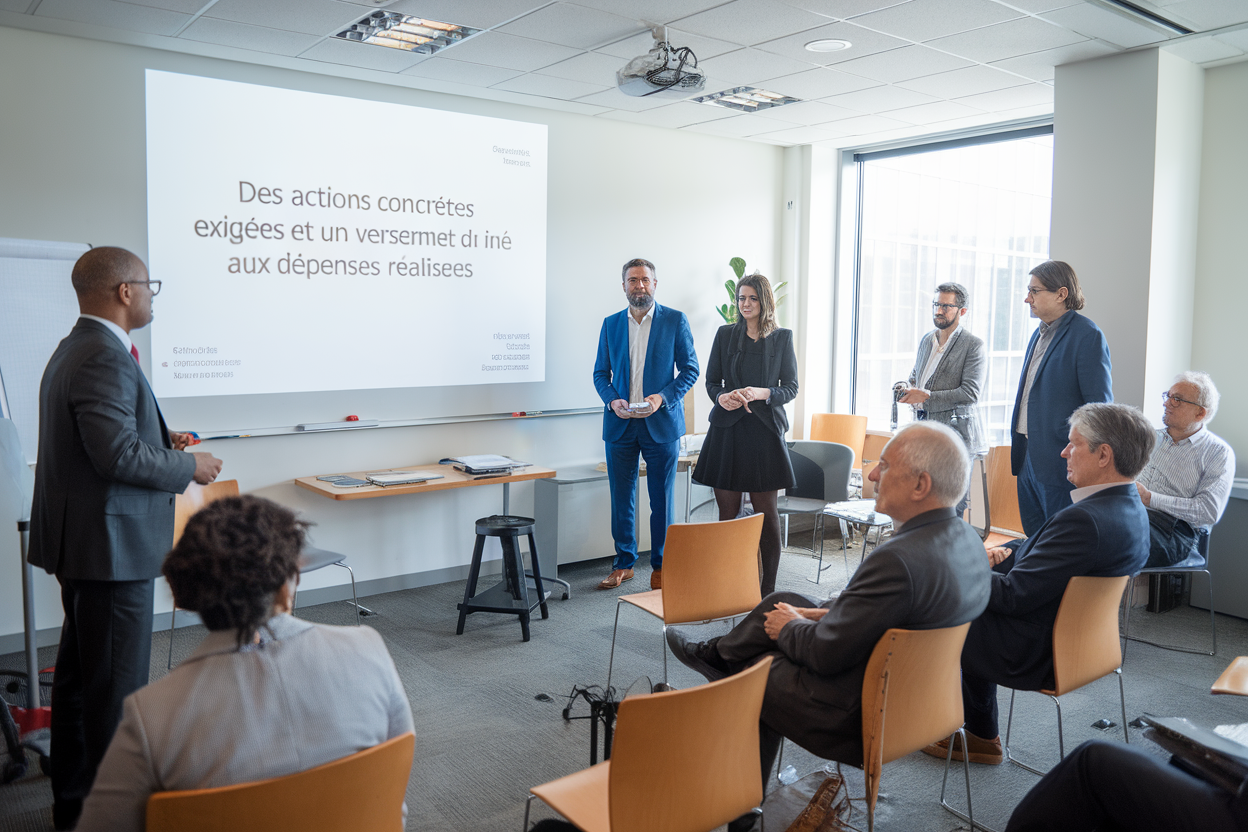
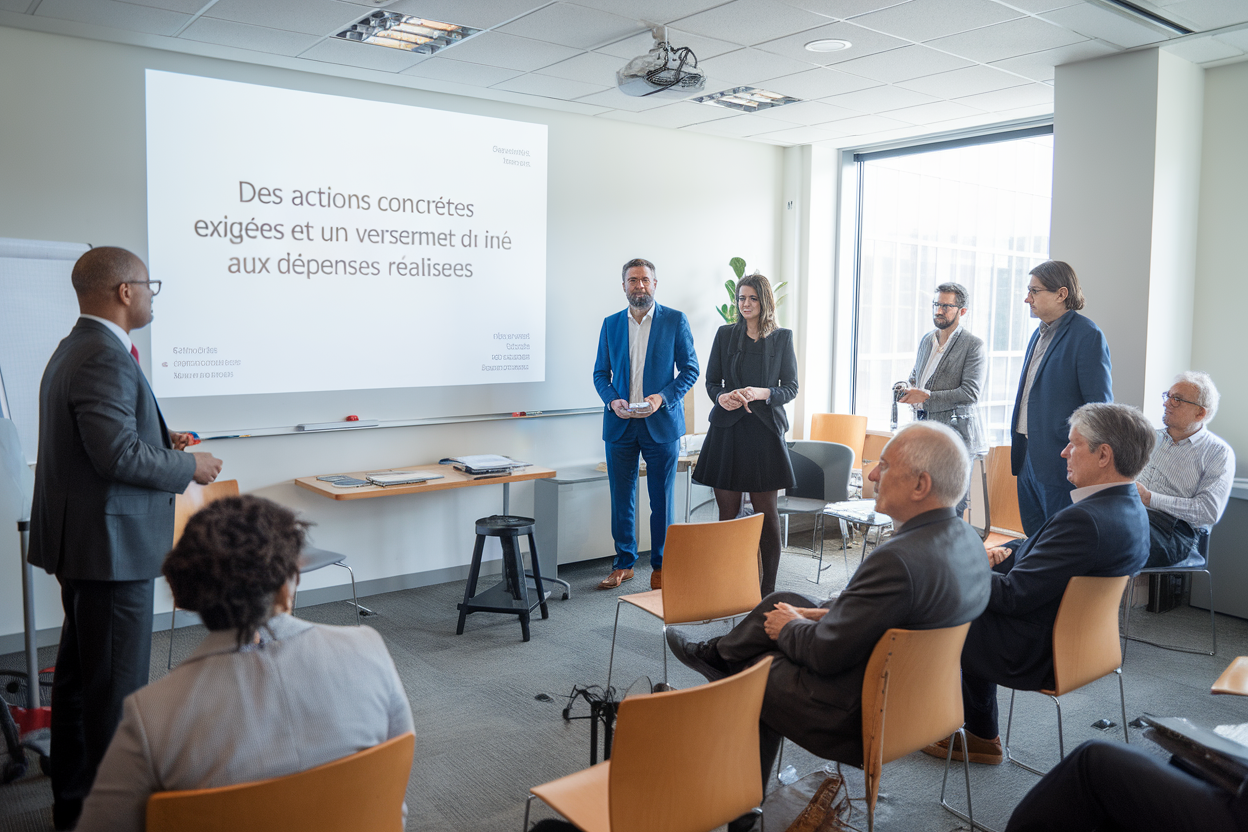
Lorient Agglomération is also clear about how the money gets paid out. The final portion of any grant will be reimbursed based on expenses actually incurred, not just promised, backed by a summary report and documentation such as invoices and certified spending.
That’s standard for public grants, but it changes the calculus for small organizations: applicants need the capacity to track spending, produce a real end-of-project accounting, and show impact. The region says evaluation can include how many people were reached, putting headcount and outcomes at the center of the pitch.
Grant recipients will also be expected to credit the program in their communications, a visibility requirement meant to make public spending easier to trace.
What “Lorient Agglomération” is, and why it matters
For American readers: Lorient Agglomération isn’t a private group. It’s a public inter-municipal authority, roughly comparable to a regional coalition of cities and suburbs that pools resources for shared services and planning.
This call for projects sits under a broader local “agriculture and food charter,” which functions like a guiding policy document. The idea is to keep projects aligned, so the region isn’t funding scattered initiatives that don’t add up to a coherent strategy.
A local program with an international angle
While the money in this call is strictly local, Lorient has also been involved in broader discussions about international cooperation on resilient food systems. A separate initiative referenced by the region, called Coopalim (2021–2022), was supported by France’s foreign affairs ministry and partner organizations, and explored how territories can collaborate across borders on sustainable food strategies.
The throughline is the same: build food systems that can hold up under pressure, economically, environmentally, and socially, by connecting producers, institutions, and everyday consumers.
The bottom line: Lorient wants projects that deliver, not just ideas
This is a targeted attempt to spark real-world change: more local food in circulation, more residents able to access it, and more education that sticks. But the region is signaling it won’t pay for good intentions alone.
Applicants will have to show they can execute, document results, and prove the public dollars translated into measurable impact, an approach that could determine whether this $76,000 experiment becomes a model for bigger investments ahead.