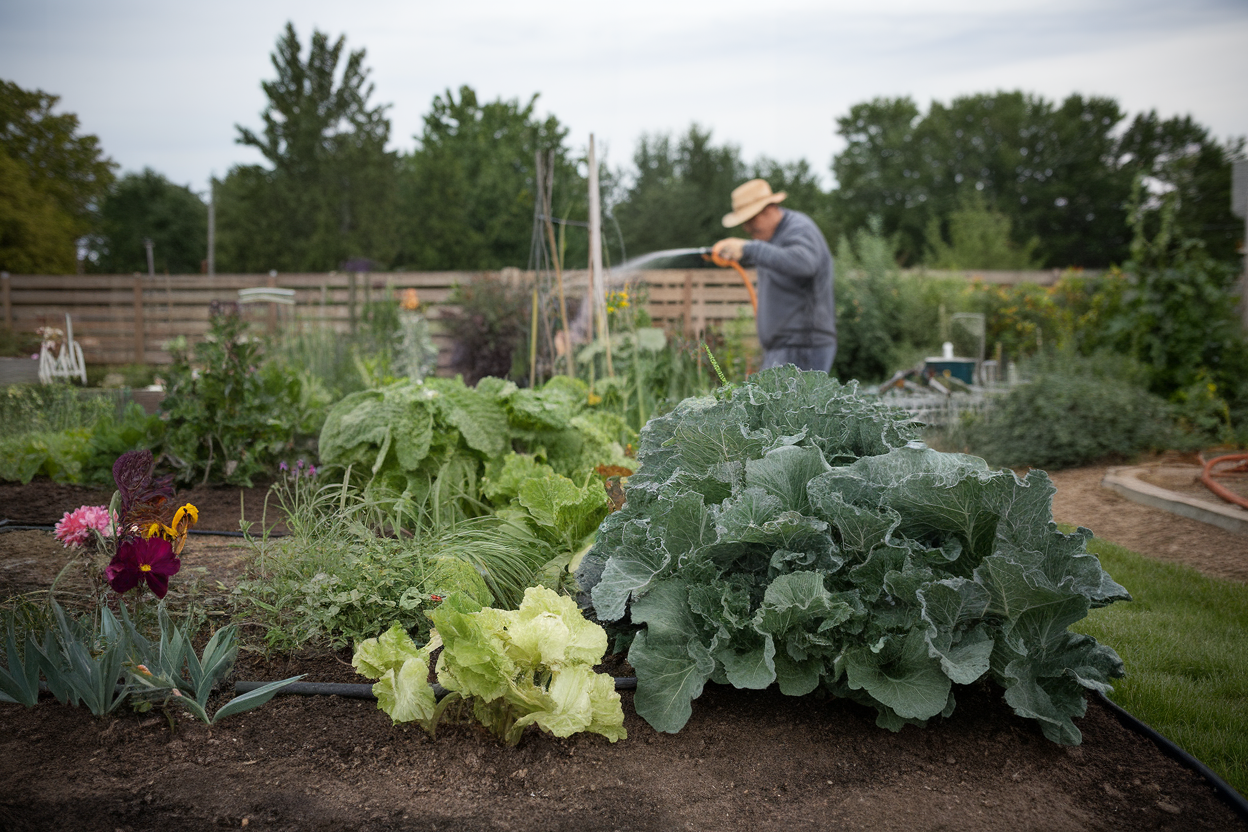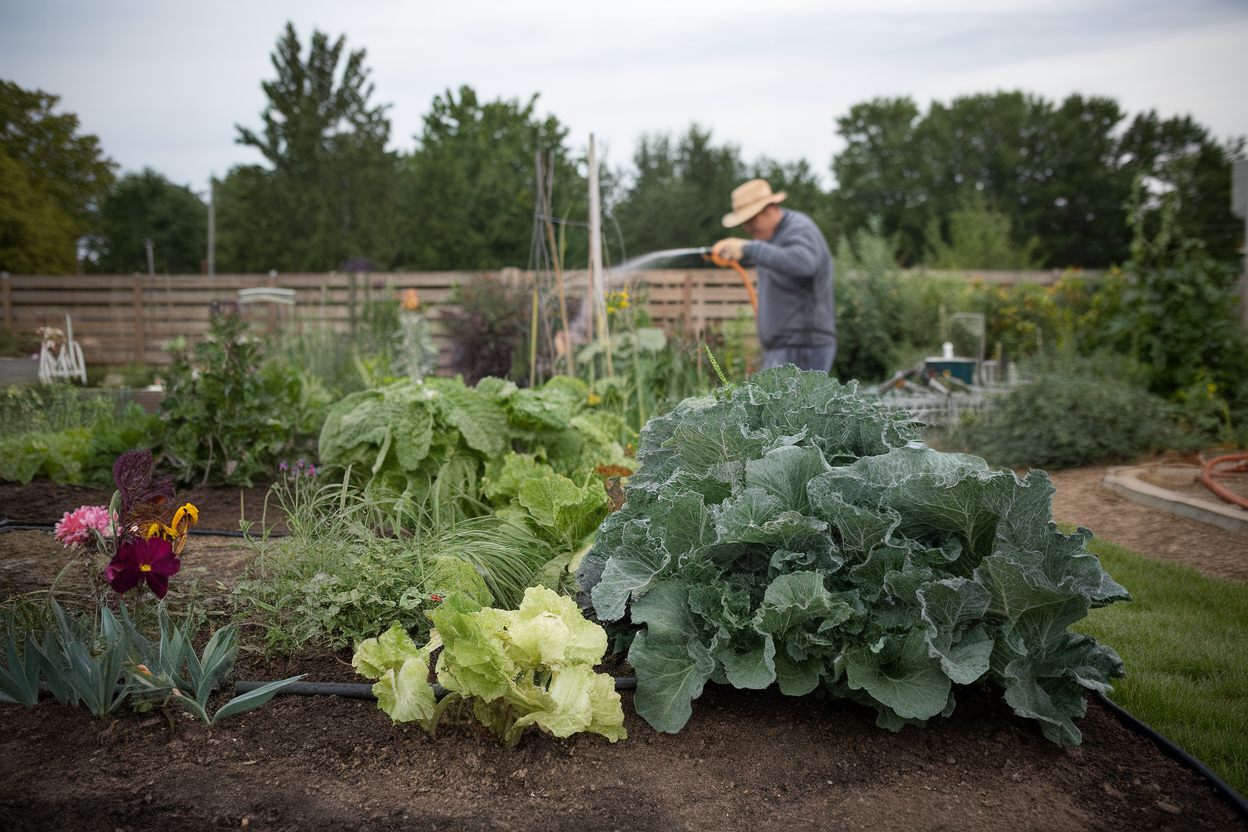
On a hot summer evening, it’s tempting to grab the hose and “cool down” the whole vegetable patch with a quick spray, leaves and all. But that feel-good rinse can quietly set your garden up for failure.
Garden advice circulating in French outlets Le Tribunal du Net and Reworld Media flags a surprisingly common culprit behind yellowing plants, spotted leaves, and rotting fruit: watering the foliage instead of the soil. For summer staples like tomatoes, zucchini, and cucumbers, that one habit can invite disease and wipe out a harvest fast.
Why wet leaves can spell trouble for tomatoes, zucchini, and cucumbers
Spraying the plant from above sounds logical. The plant looks hot, the air feels dry, and a misty shower seems like relief. In reality, water sitting on leaves creates the perfect conditions for common garden diseases to take hold, especially when temperatures drop later in the day.
The problem is the combo of “wet foliage” plus “cooling evening air.” Moisture lingers longer, and pathogens have more time to spread. What you see next can be a familiar spiral: leaves develop spots or brown patches, growth slows, and fruit quality tanks, sometimes ending in rot.
It’s a sneaky trap because it feels like good gardening. You watered. You checked the beds. Everything looks freshly rinsed. But you may be maintaining the damp conditions that weaken the plants.
The fix is simple: water at the base, not from above
Both sources point to the same correction: stop watering the leaves. Aim the water at the soil around the plant’s base, where the roots actually drink.
This does two things at once. It hydrates the root zone efficiently, and it keeps the foliage drier, reducing the window for disease to get established. Overhead “sprinkler-style” watering hits everything, including the parts you don’t want wet. Targeted watering feeds the plant without leaving a film of water on the leaves.
It also gives you more control. When you water at the base, you can see which plants truly got water and avoid overdoing it. Less guessing, less waste, healthier plants.
Why evening watering trips up so many gardeners
The evening is when many people finally have time to garden, after work, when the sun isn’t blazing. That’s also when the “hose shower” habit kicks in: a quick sweep across the whole garden, like watering a lawn.
But for tomatoes, zucchini, and cucumbers, that broad spray is exactly what these sources warn against. Wet leaves late in the day can stay damp longer, giving disease a head start.
The garden can look great right after you water: dark soil, shiny leaves, that “fresh” smell. Then the trouble shows up right when you’re counting on peak production, when flowers turn to fruit and the harvest should be accelerating.
How to spot the warning signs, and salvage your harvest
If you’ve been spraying from above for days, don’t panic, but do pay attention. Red flags include leaves that develop spots, sections that brown or dry out, foliage that wilts even though the soil is moist, and fruit that starts to soften or degrade.
The first move is straightforward: stop “showering” the plants and switch to watering at the base. That cuts off the lingering leaf moisture that helps problems spread.
Also, don’t treat every crop the same. The reporting specifically calls out tomatoes, zucchini, and cucumbers as especially vulnerable to this mistake. That doesn’t mean other plants love wet leaves, but these three are singled out as taking the biggest hit. They’re also among the most productive and visible plants in many backyards, which means they often get watered the most, and stressed the fastest.
The bigger lesson: summer gardening punishes small mistakes
Watering feels like the easiest part of gardening. But in summer, small habits can have outsized consequences because plants grow quickly and stress stacks up, heat, humidity, and disease pressure all at once.
The good news: you don’t need fancy gear or expert skills to fix this. Just change where you point the hose, keep the leaves as dry as you can, and watch your plants closely as fruit sets.
FAQ
Which vegetables are most affected by watering the leaves?
According to Le Tribunal du Net and Reworld Media, tomatoes, zucchini, and cucumbers are particularly likely to suffer when their foliage is watered in summer.
Why is spraying the leaves a problem in hot weather?
The outlets report that wet foliage can encourage disease and rot, potentially damaging a harvest in a short time.
What’s the best way to water instead?
Water at the base of the plant, directly onto the soil around the roots, rather than spraying from above.
Why do people make this mistake most often in the evening?
Because it’s cooler and more convenient after the day’s heat, many gardeners water the whole garden quickly “like a lawn,” soaking leaves in the process.
What if I’ve already been wetting the leaves?
Stop overhead watering and switch to watering at the base, then monitor leaves and fruit for signs of spotting, browning, wilting, or rot.