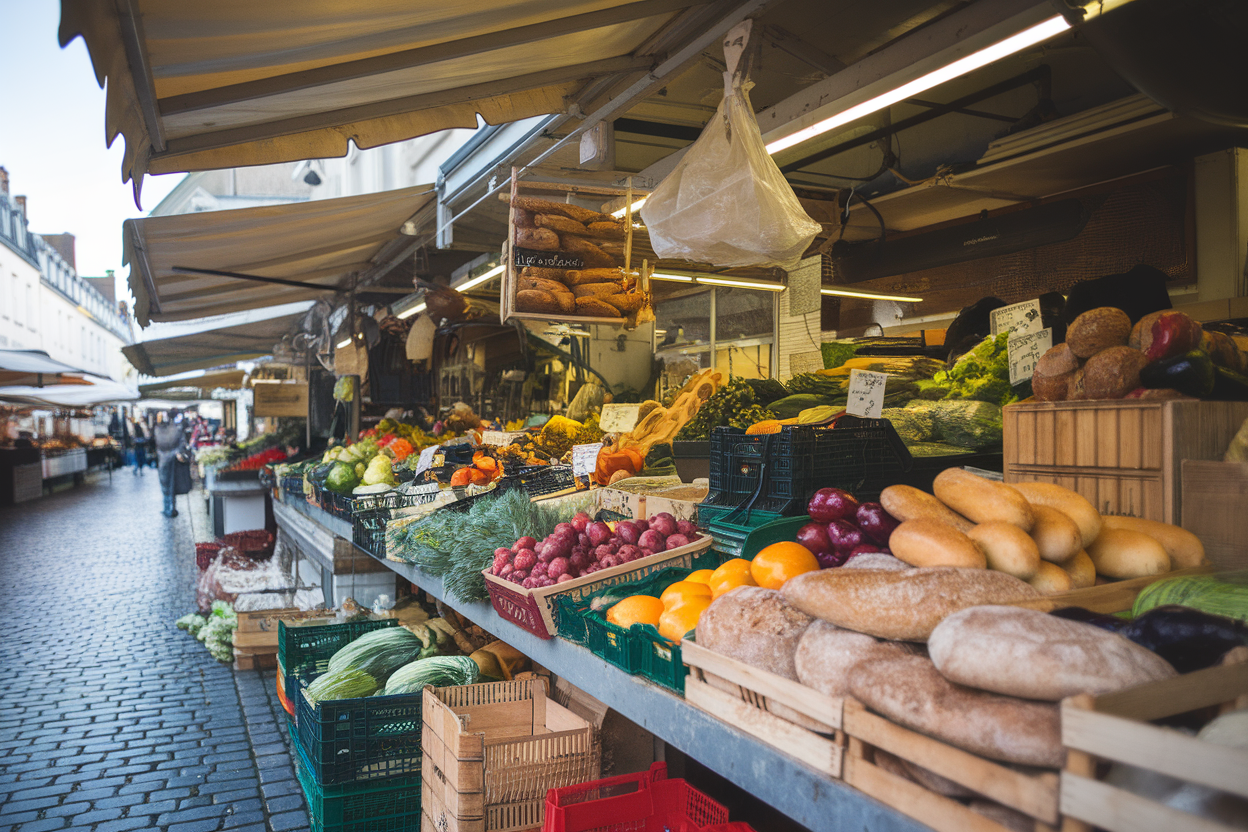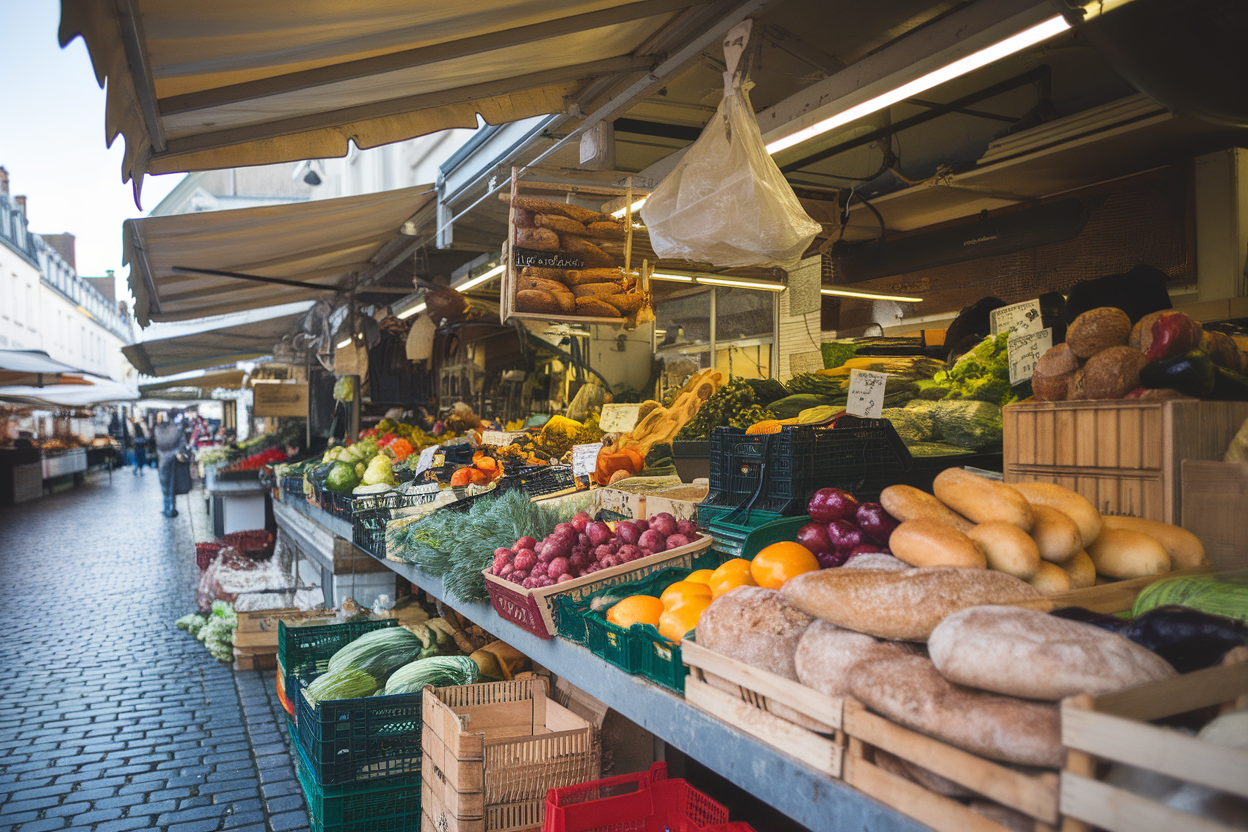
A major French newspaper is turning “eat local” into a hard rule, and betting readers will love the challenge.
Ouest-France, the dominant daily in western France, has released a special stand-alone magazine featuring 60 brand-new recipes built exclusively from ingredients produced in Brittany, the rugged coastal region best known to Americans for crêpes, salted butter, and serious seafood. The pitch is simple: you can pull off a full meal, weeknight dinner to dessert, without reaching beyond your own region.
The idea taps into a familiar U.S. obsession: farmers markets, “buy local” labels, and the desire to know where dinner came from. But this isn’t just foodie fantasy. It’s meant as a practical playbook for shopping, planning, and cooking when you’re trying to keep your cart, and your conscience, consistent.
A “100% Brittany” cookbook that’s really a shopping strategy
Cooking from a single region sounds like a game. In practice, it’s also a shortcut for busy households: fewer decisions, fewer labels to decode, fewer “where was this grown?” questions at the store.
Ouest-Franceis leaning hard into that promise. By insisting every ingredient is Breton, the magazine isn’t just selling recipes, it’s selling a system. Readers get a framework for building menus that match what’s actually available locally, from fish counters and seasonal produce to dairy staples.
That’s why the concept can land beyond confident home cooks. The constraint does the sorting for you. Start with what Brittany reliably produces, seafood, vegetables, butter and other dairy, and build outward. The magazine’s value is in ready-to-use ideas for people who don’t have time to hunt down and stitch together a “local-only” plan on their own.
Why 60 new recipes matters for real life
Sixty original recipes buys something most good intentions don’t: staying power. The fastest way “we’re going to eat more local” collapses is repetition, same meals, same flavors, same fallback habits.
The special-issue format is part of the appeal. Unlike a scrolling recipe feed, a print magazine sits on the counter, gets dog-eared, and turns into a household tool. You can plan a grocery list from recipes that are already curated around the same regional pantry, then repurpose leftovers across multiple meals.
Even without detailing every dish, the underlying promise is variety, enough range that “all Brittany” feels less like deprivation and more like a theme you can actually live with.
Regional food media is selling “terroir,” not nostalgia
This isn’t happening in a vacuum. Brittany has its own ecosystem of food media, includingBretons en Cuisine, a magazine that builds recipes around “terroir”, a French concept that roughly translates to a place’s taste and identity, shaped by soil, climate, and local know-how.
The point isn’t just to romanticize grandma’s cooking. It’s to connect what’s on the plate to a living supply chain: fishermen, farmers, cheesemakers, seasons, and the rhythms of what’s actually for sale. For readers, that can make meal planning easier, not harder, because the menu follows the local calendar instead of fighting it.
Desserts, too, and a Brittany that isn’t stuck in the past
One sign of how this regional approach is evolving: themed spin-offs.Bretons en Cuisinehas published special issues, including one dedicated to desserts (its No. 20), billed as “100% desserts”, Breton, but not only Breton.
That nuance matters. It signals that regional cooking in France is being treated less like a museum exhibit and more like a foundation: local ingredients and techniques that can still leave room for creativity.
Ouest-Franceis aiming for the same sweet spot, concrete, weeknight-usable recipes that keep the focus on local sourcing while proving you don’t have to eat the same handful of “traditional” dishes on repeat.
How to stay local without turning dinner into a second job
The biggest barrier to eating local usually isn’t motivation, it’s logistics. You need ideas that prevent you from starting from scratch every time you open the fridge.
That’s where these special issues and recipe hubs come in.Bretons en Cuisine, for example, highlights seasonal Breton recipes online, giving readers a compass: when a product is in season, here’s what to do with it.
The most workable method is thinking in blocks: a core basket of local staples, then recipes that “nest” together so one purchase can stretch across multiple meals. Done right, local cooking becomes a time-saver, less wandering the aisles, fewer last-minute decisions, because the rules are already set.
If the Brittany-only experiment sticks for readers, it could do what most “eat local” campaigns struggle to accomplish: turn a good intention into a repeatable routine, one grocery trip at a time.