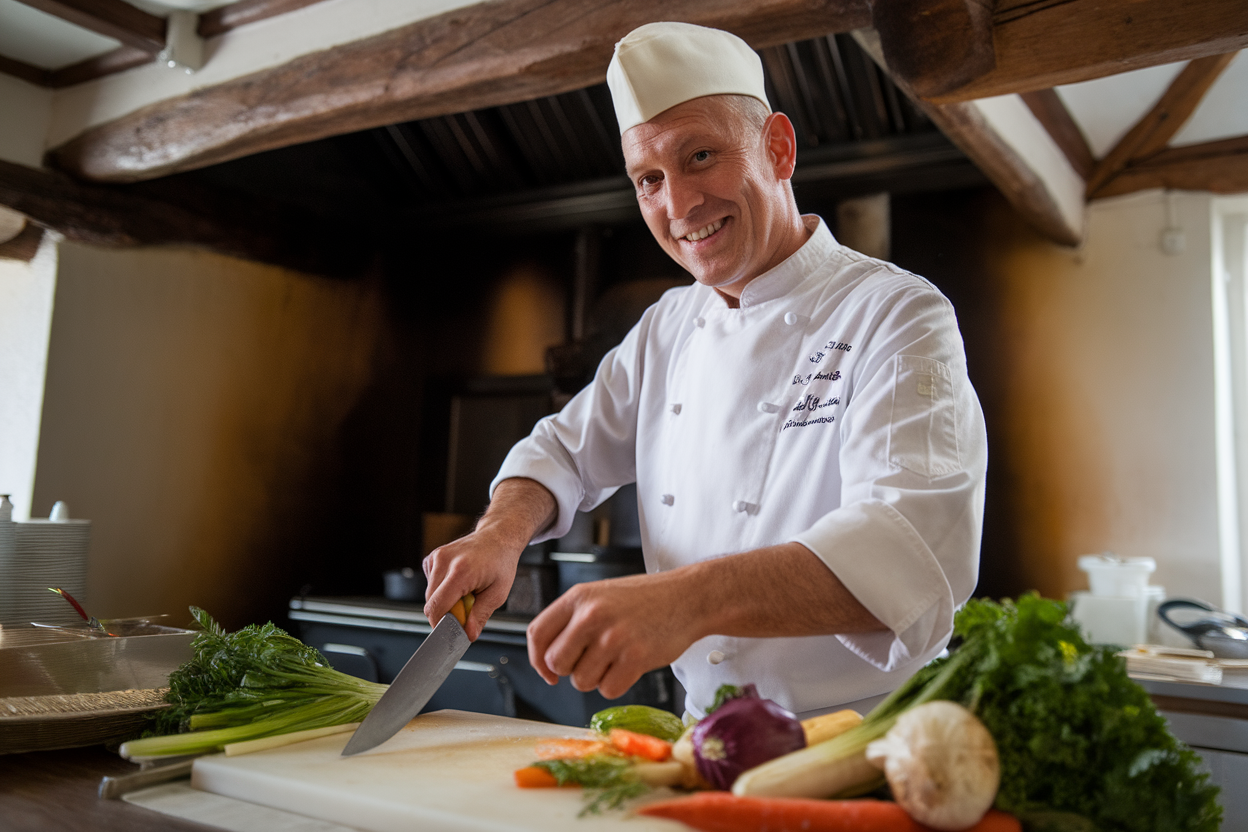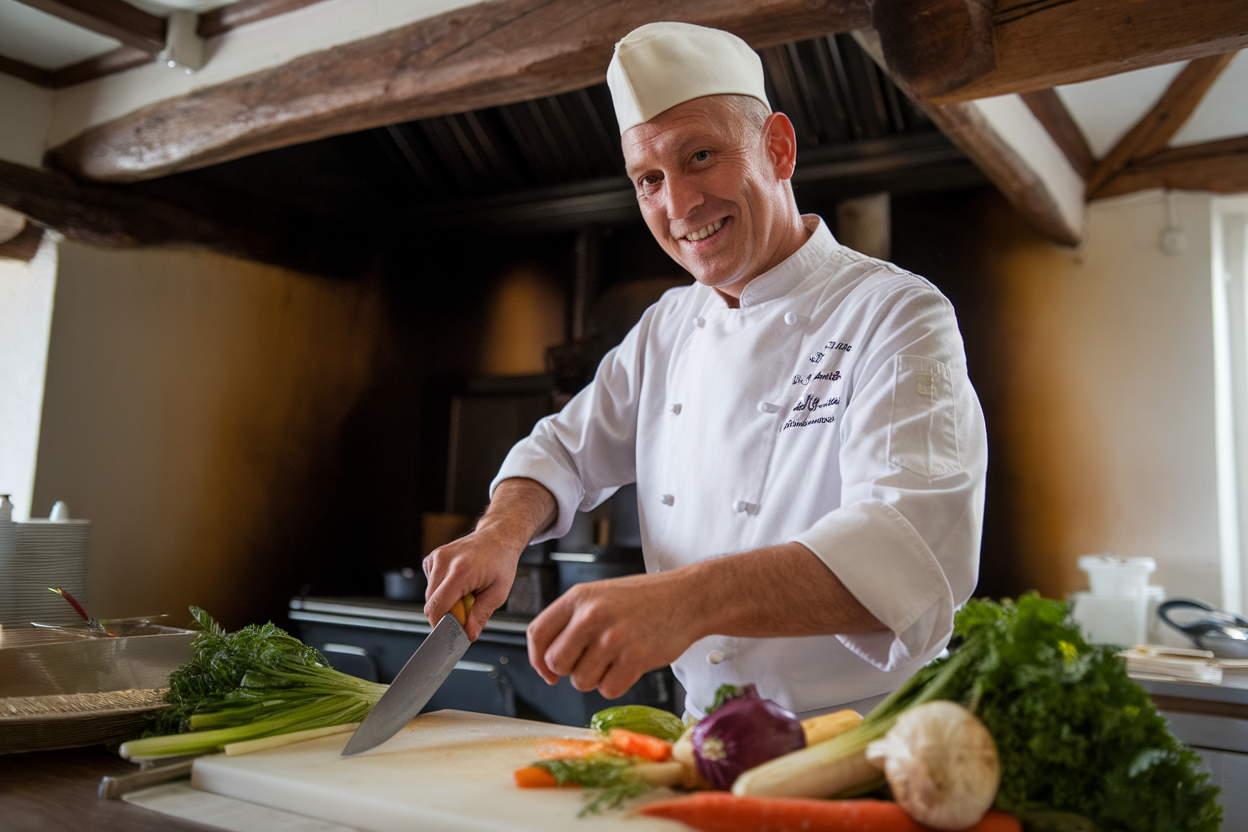
A major French newspaper is betting it can turn “eat local” from a feel-good slogan into a hard rule you can actually cook by.
Ouest-France, the dominant daily in western France, has announced a new special-edition cookbook featuring 60 never-before-published recipes built around one strict requirement: every ingredient must come from Brittany, the rugged coastal region best known abroad for crêpes, salted butter, and seafood.
The pitch is simple and surprisingly ambitious. This isn’t a glossy celebration of regional food culture. It’s a practical kitchen playbook designed to prove that “all-local, all the time” can work on a weeknight, if you’re willing to rethink how recipes are built.
A cookbook with a rule: no out-of-region ingredients, period
Ouest-Franceis framing the special issue as a demonstration by doing: 60 original recipes that follow an “exclusively Breton products” rule from start to finish. Think of it less like a travel-mag feature on Brittany and more like a constraint-based cooking challenge, one meant to be used, not just read.
That constraint changes everything. In a typical recipe, you start with a list of ingredients and follow the steps. Here, the first step is closer to a map: What’s grown in Brittany? What’s processed there? What can stand in for a pantry staple that usually arrives from thousands of miles away?
It’s the culinary version of building something with a limited parts bin. The goal isn’t purity for purity’s sake, it’s to keep the food appealing while staying inside the lines.
Why Brittany, and why Americans may need the context
Brittany (Bretagne in French) sits on France’s northwest edge, roughly the country’s equivalent of a distinct, proud coastal region with its own identity, traditions, and foodways. For American readers, imagine a mash-up of New England’s seafood culture and a farm-and-dairy backbone, then add a deep tradition of preserved foods shaped by salt air and fishing ports.
In France, regional sourcing isn’t just a lifestyle trend; it’s tied to agriculture, local economies, and a national obsession with where food comes from. This special issue leans into that, and tries to make it measurable: either an ingredient is from Brittany, or it’s out.
“Bretons en Cuisine” and the bigger Brittany food-media machine
The special issue also plugs into a broader publishing ecosystem around Breton cooking. The magazineBretons en Cuisine(“Bretons in the Kitchen”) publishes six times a year and sells itself on terroir, France’s shorthand for the way place, soil, and tradition shape flavor, along with profiles of producers and seasonal cooking.
Its editorial approach is “field to plate,” but with an emphasis on repeatable home cooking rather than restaurant theater. Seasonal recipes aren’t presented as a moral stance; they’re treated as a practical reality that affects price, availability, texture, and even the best cooking methods.
The magazine also releases themed special editions, like a desserts-focused issue that isn’t limited strictly to Brittany. That makesOuest-France’s all-Brittany rule stand out even more: it’s not just a theme, it’s a hard boundary.
Cooking 100% local forces recipe rewrites, and creative substitutions
“Only Breton products” doesn’t just mean buying local carrots and fish. It means confronting the invisible global supply chain hiding in everyday cooking: spices, cooking oils, sugar, citrus, and condiments that have become so common they barely register as imports.
Once those defaults disappear, recipes have to be rebuilt. The publication argues that the real work is smart substitution, keeping the intent of a dish (flavor, balance, texture) while swapping out dependencies for what the region can actually provide.
That’s where the project either succeeds or fails. A recipe can follow the rule and still be boring. The editorial challenge is to make the food feel like something you’d choose, not something you’d endure to prove a point.
Preservation, seafood traditions, and the practical side of “local”
Limiting ingredients to one region also pushes cooks toward older, highly practical techniques that stretch seasonal availability: fermentation, salting, smoking, jam-making, drying, and traditional approaches to seaweed and seafood along Brittany’s coast.
In that sense, the special issue is also a quiet lesson in food resilience, without turning into a lecture. The recipes become a way to “read” a region: what’s abundant, what’s seasonal, what’s processed locally, and what’s missing unless you import it.
What this signals beyond Brittany
The bigger idea travels well, even if the ingredients don’t. In the U.S., “eat local” often bumps into the same wall: you can shop farmers markets all summer and still reach for olive oil, black pepper, coffee, and lemons without thinking twice.
Ouest-Franceis asking a sharper question: What happens when you treat local sourcing as a design constraint, not a vibe? If the recipes land, the project could offer a blueprint for other regions, and a reminder that the most convincing arguments about food aren’t made on social media. They’re made at the stove.