China is about to squeeze its electric-car industry, and the ripple effects could hit automakers worldwide.
Starting in 2026, Beijing plans to roll out new energy-efficiency rules for electric vehicles, including consumption caps designed to force EV makers to build lighter, more efficient cars instead of simply stuffing bigger batteries under the floor. At the same time, Chinese officials are signaling the sector is mature enough to face harsher market discipline, according to Reuters.
The message is clear: China still wants to dominate EVs. But the era of easy growth, heavy state support, and endless new brands may be ending. What comes next looks more like a shakeout.
China’s next EV target: efficiency, not just range
For years, the EV conversation, especially in the U.S. and Europe, has revolved around sticker price and how far a car can go on a charge. China is shifting the spotlight to a different metric: how much energy an EV uses to move down the road.
Under the planned 2026 rules, automakers would face consumption caps, described in reports as a first-of-its-kind move globally, aimed at pushing real gains in efficiency. That means engineers will have to make tough tradeoffs: weight versus performance, aerodynamics versus styling, software tuning versus raw battery size, even tire choices that affect rolling resistance.
In practical terms, the winners won’t just be the companies that can build big batteries cheaply. They’ll be the ones that can squeeze more miles out of every kilowatt-hour, an advantage that can translate directly into lower costs and stronger export competitiveness.
A government-backed rocket ship is turning into a survival test
Chinese media and regional outlets have framed the coming rules as more than an environmental push. They’re also industrial policy, designed to thin the herd.
A stricter home market can knock out weaker EV startups, consolidate production among the strongest players, and leave China with a cleaner, more export-ready lineup of brands. For foreign competitors, that’s not great news: it could mean facing Chinese automakers that have been stress-tested by tougher domestic standards before they expand overseas.
Reuters: Beijing is downgrading EVs as a “strategic industry”
In another telling shift, Reuters reported that China’s “new energy vehicles” category, known as NEVs, which includes battery EVs, plug-in hybrids, and hydrogen fuel-cell vehicles, no longer appears on the list of strategic industries in the country’s 2026–2030 five-year plan.
For American readers, China’s five-year plans are top-level economic blueprints that steer investment and regulation. Being labeled “strategic” can mean easier access to support, political priority, and a policy tailwind.
Dropping NEVs from that list doesn’t mean Beijing is abandoning EVs. It reads more like a confidence signal: the government believes the industry is big and capable enough to compete with less hand-holding, and that the market can do more of the sorting.
From subsidies to pressure: the support era fades
That’s a major pivot from the last decade. Reuters noted China’s EV rise was fueled by aggressive government backing, purchase subsidies, research and development support, tax breaks, and a rapid buildout of charging infrastructure.
Now the pressure shifts to fundamentals: margins, market share, technology investment, and the ability to survive a more punishing competitive landscape. In other words, China’s EV sector is being treated less like a protected national project and more like a mature industry expected to stand on its own.
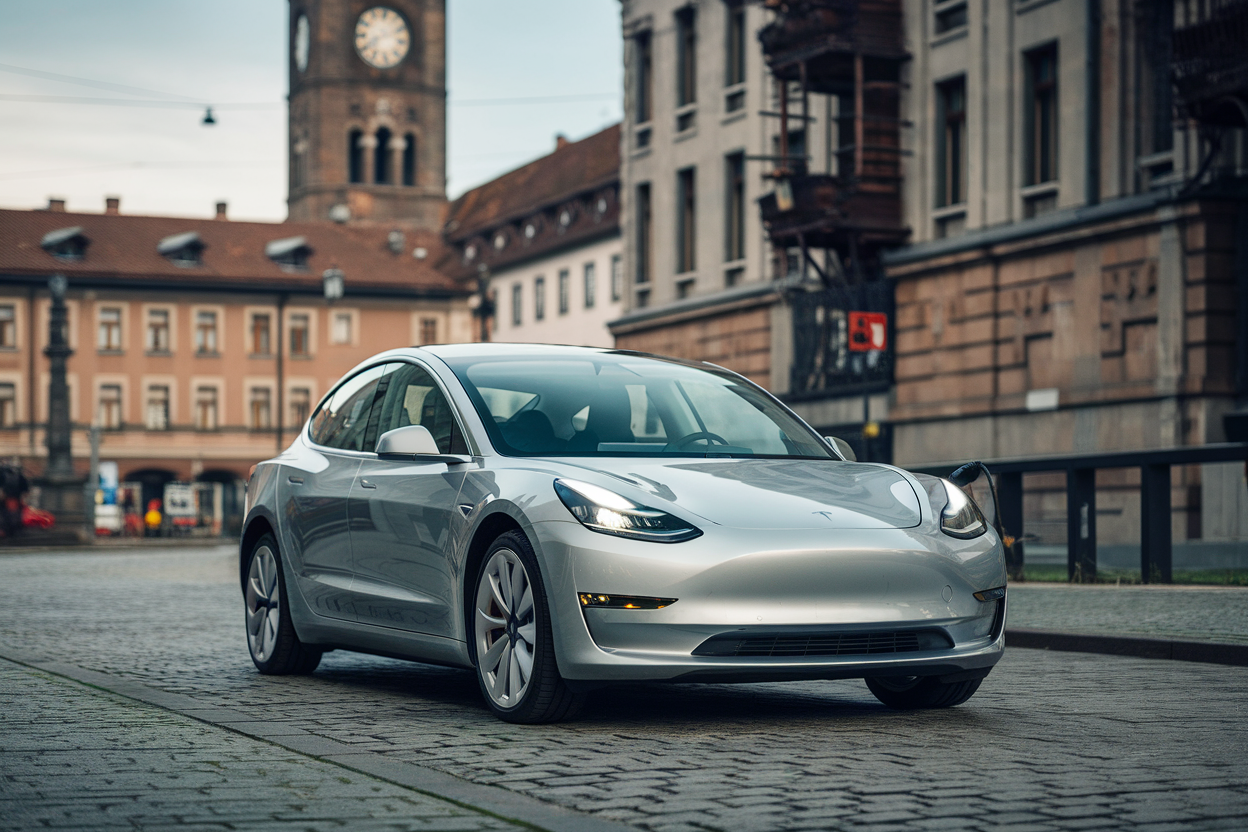
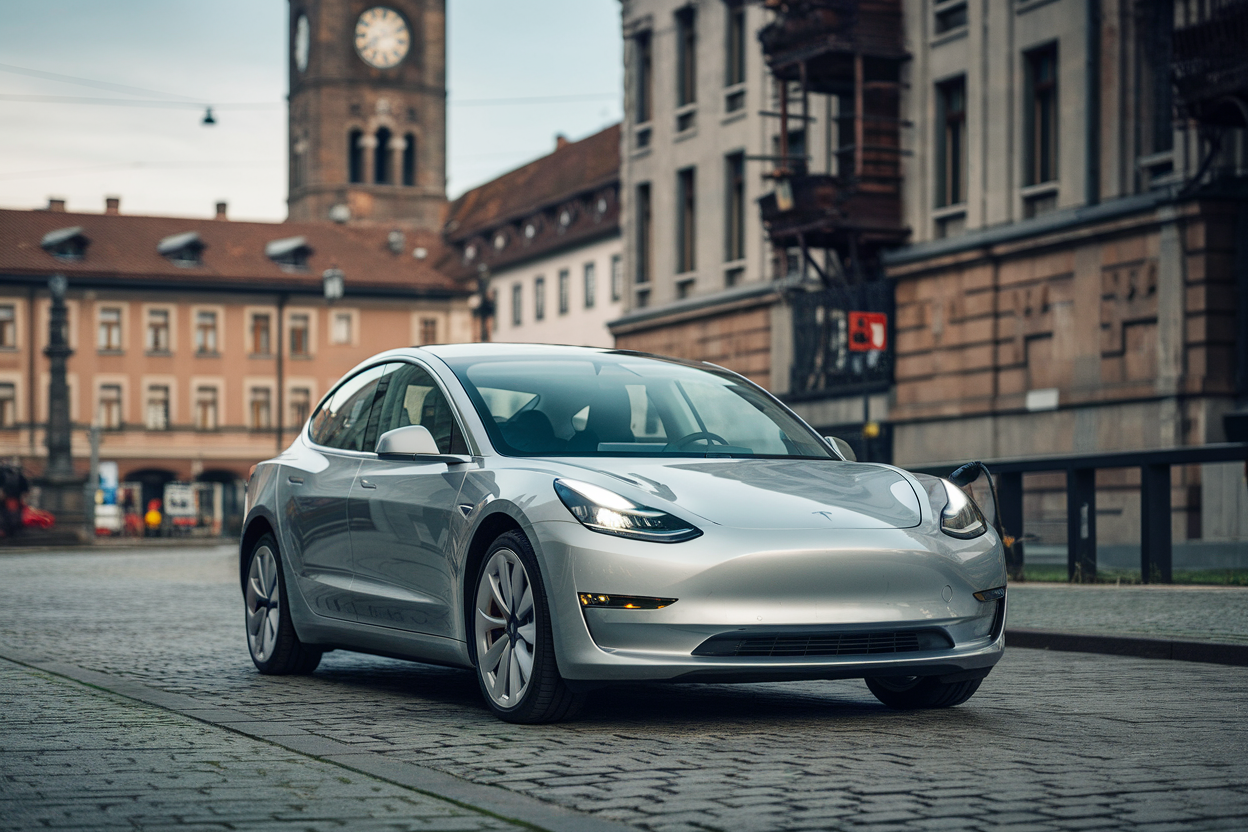
Reuters also pointed to a reminder that competition in China is still global: the Tesla Model 3 remains one of the most popular foreign-made models in the country, underscoring that Chinese brands are still being pushed by international rivals with strong manufacturing and software chops.
Europe’s EV debate looks slow next to China’s pace
Across the Atlantic, the contrast is stark. French magazine L’Express described China as the world’s dominant EV producer and portrayed Europe as bogged down by political compromises and industrial hesitation.
The outlet highlighted debate inside the European Commission, the EU’s executive branch, over the planned 2035 phaseout of new gas-powered car sales. According to L’Express, internal negotiations have included talk of softening the target from 100% electric-only new sales in 2035 to 90%.
For U.S. readers, think of it like watching Washington argue over fuel-economy rules while a rival country rewrites the playbook and scales exports at the same time.
China’s EV push isn’t stopping at its borders
China’s dominance isn’t just visible in big-city showrooms and charging stations. It’s also showing up at ports.
One report cited in the original coverage said China doubled its EV exports in a year, a surge powered not only by product development but by industrial logistics: battery supply, factory scale, fast model cycles, and rapidly expanding sales networks abroad.
That export drive also keeps attention on the supply chain for critical minerals, lithium, cobalt, and rare earths, that underpin batteries and electric drivetrains. Control of those inputs can be as decisive as the cars themselves.
The bigger play: exporting standards, not just cars
China’s planned 2026 consumption caps could become more than a domestic rulebook. If Beijing sets a new benchmark for EV efficiency, it could influence how other markets regulate, and what global consumers come to expect.
The stakes are straightforward: if Chinese automakers master tougher efficiency rules at home, they may arrive in the U.S. and other markets with cheaper-to-run vehicles, tighter engineering, and a regulatory edge. The next phase of the EV race may be less about who builds the flashiest car, and more about who sets the standards everyone else has to follow.